Africa’s 2025 Renewable Energy Highlights
Africa’s renewable energy capacity is increasing as part of its contribution to global net-zero commitments by 2050.


Africa is advancing its energy transition as evidenced by significant growth in renewable energy in recent years. Newly commissioned projects in 2025 such as Egypt’s 650 MW Red Sea Wind Energy Project, confirm that large utility-scale developments are expanding Africa’s renewables capacity. On the other hand, smaller installations like Nigeria’s 50 kWp Namu Solar Mini-Grid are improving energy access and reducing rural poverty.
Africa’s commitment to clean energy is reflected in its mix of large-scale generation projects and low scale targeted distributed solutions. This balanced mix ensures equitable energy distribution over mere capacity expansion and lays the foundation for sustained development.
In 2025, Africa’s renewable energy landscape is characterized by substantial growth in renewable energy capacity particularly in solar and wind power. Strong policy initiatives, increasing investment commitments, and diverse financing structures are further supporting ongoing efforts to expand energy access across the continent.
Solar Power
Solar leads Africa’s energy transition due to the continent’s strong solar irradiation. Solar power is also the most affordable option, fastest to deploy and ideal for decentralised electrification. In June 2025, Africa recorded a 60% year-on-year increase in solar panel imports driven by countries like Algeria, Zambia, and Botswana. This amounts to 15 GW of solar capacity, which is almost equivalent to the continent's total installed solar capacity since 2000. The growth in Africa’s renewable energy sector is supported by rising investment in solar infrastructure, favourable policies and the increasing affordability of solar power. The sharp decline in solar panel prices has made it an accessible and attractive alternative to unreliable and costly power sources like diesel generators.
With its growing energy demand, the rise of solar power adoption in Africa could be pivotal for the continent in accelerating the growth of clean energy and increasing reliable access to electricity. African countries are already moving to create favourable solar policies such as net metering and reduced import tariffs to further accelerate the transition to renewable energy. The focus will now be on overcoming infrastructural and financial gaps to ensure that solar adoption is scalable across the continent.
Wind Energy
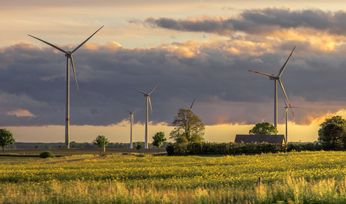
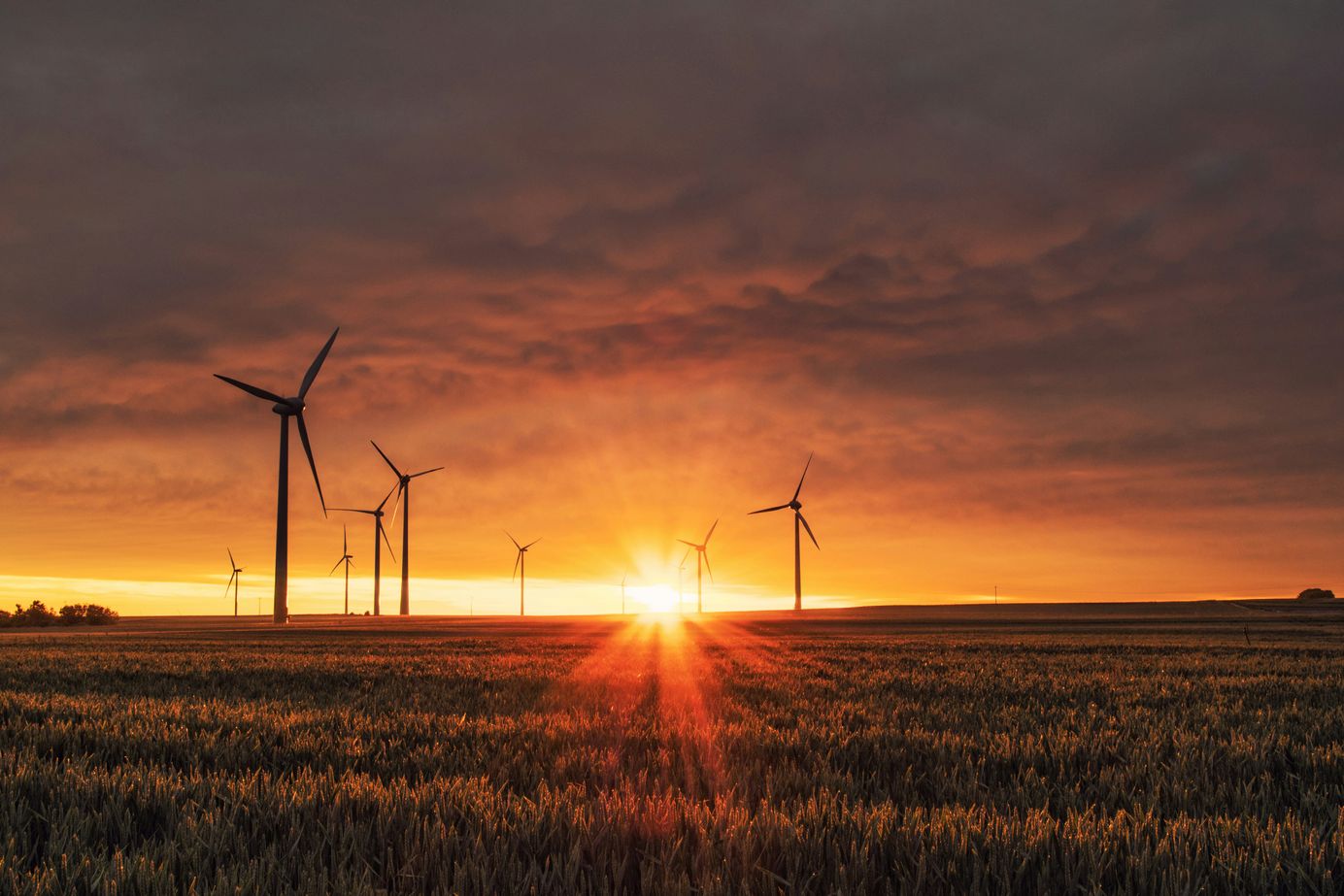
In addition to solar power, Africa is experiencing a significant expansion in wind energy especially in South Africa and Egypt. The year 2025 was marked by major capacity milestones, including the full commissioning of Egypt’s 650 MW Red Sea Wind Energy Farm and South Africa’s 420 MW Koruson 1 cluster becoming fully operational. Momentum continues with Enel Green Power starting construction on a 330 MW project in South Africa’s Eastern Cape and Egypt securing substantial financing for its flagship 1.1 GW Suez wind project. This growth is facilitated by efforts to develop local manufacturing capabilities and attract investment through blended finance and support from regional development banks.
Wind power capacity in Africa is positioned for further growth and North Africa is a primary growth area for wind power. The Sahara offers ideal conditions for large-scale wind farms due to its strong average wind speeds (8.4 m/s) and low density which helps reduce land-use and environmental conflicts. Morocco is currently in advanced talks with three major Emirati energy companies (Masdar, AMEA Power, and TAQA) regarding potential investments of up to $10 billion in large wind projects in the Sahara Desert. Furthermore, wind power capacity is set to grow further with the development of the hydrogen industry in Africa. Among the African countries actively pursuing wind-powered green hydrogen production by 2030 are South Africa, Mauritania, Djibouti and Namibia.
Biofuels
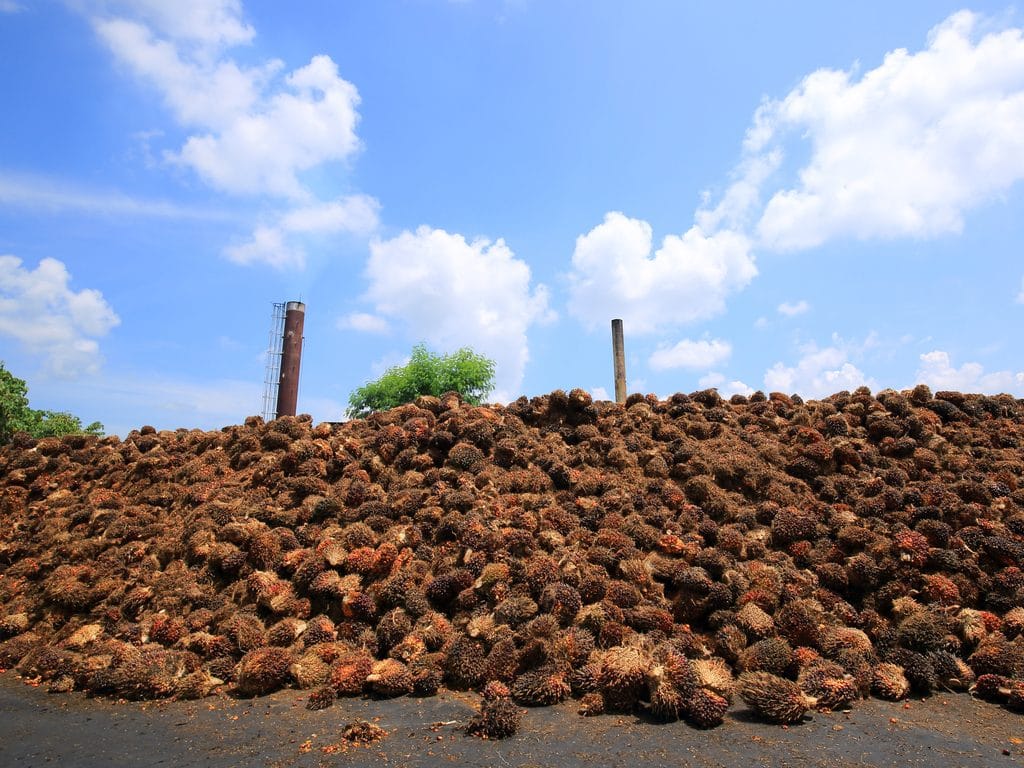
Bioethanol and biodiesel has been the major focus of biofuels development, with countries such as Ethiopia advancing sustainable production methods to reduce carbon emissions and boost rural economies. Notable projects include Ethiopia’s 23,000-hectare agricultural biorefinery designed to produce sustainable aviation fuel (SAF), bioethanol, and clean cooking fuels. Ghana is developing the Amaaba Bio-Refinery Complex, a $1.3 billion bamboo biomass refinery aimed at becoming Africa’s largest biofuel facility producing advanced biofuels and green chemicals. Additionally, Uganda launched a national biofuel blending program to reduce fossil fuel reliance while supporting local farmers and cleaner energy adoption.
Hydropower
Hydropower remains the largest contributor to renewable electricity supply in Africa today. Major projects in countries like Ethiopia (Grand Ethiopian Renaissance Dam), Nigeria (Zungeru and Kainji Hydro Power Plants), and Zambia (Kafue Gorge Lower Hydro Power Plant) contribute substantially to the grid. Hydropower projects account for around 70% of the continent’s total renewable electricity generation.
In recent years, several small to medium-scale projects were commissioned across East and West Africa, enhancing grid stability and energy access. Ethiopia’s Grand Ethiopian Renaissance Dam (GERD) remains a flagship project expanding hydropower capacity. The dam harnesses the Blue Nile’s water to deliver an installed capacity of 5,150 MW which is equivalent to three medium nuclear power plants. The plant is intended to double Ethiopia’s national power generation and will also export surplus electricity to neighbouring countries like Sudan, Kenya, Djibouti, and Tanzania.
Net zero by 2050?
While Africa’s renewable energy capacity has grown in recent years, its reality still contracts sharply with the ambitious global net zero commitments. According to the IEA’s 2023 data on Africa’s total energy supply, fossil fuels account for about 56.8% of the continent’s energy mix while Biofuels and waste contribute nearly 40%. In comparison, hydropower represents only about 1.7% of total energy supply, while other renewables such as solar and wind contribute roughly 1.3% with nuclear power at 0.3%. Achieving net zero by 2050 will require acceleration in renewables investments. Renewable energy investments in Africa have risen significantly, reaching $40 billion in 2024 from $2.6 billion in 2021. However, Africa’s share of global renewable financing remains under 3% indicating a concerning renewable energy investment gap.


FullyGreen Newsletter
Join the newsletter to receive the latest updates in your inbox.